AI is fueling a new wave of cyberattacks. From deepfake scams to automated phishing, learn how these threats are evolving and how businesses in Kenya can stay protected.
Agentic AI systems are making cyberattacks smarter, stealthier, and more dangerous. Here’s what this emerging threat means for your business — and how to fight back.
Double‑extortion ransomware sticks around—criminals both encrypt your data and threaten to leak it if you don’t pay. It’s hitting critical infrastructure, healthcare, and finance hard.
Forget firewalls—identity is the perimeter now. Companies are pivoting to Zero Trust security and identity-first architectures to secure both human and AI interactions.
State-backed actors are banking encrypted data now to decrypt later, once quantum computers arrive. Organizations are rolling out post-quantum crypto and crypto-agility strategies to stay ahead
Attackers love targeting third-party vendors, open-source libraries, and outdated containers in the cloud. Microsegmentation, DevSecOps, and vendor accountability are non-negotiables now.
Are you looking for the best cybersecurity courses in town? Look no further than Cyberpro Global! Cyberpro Global offers a variety of cybersecurity courses that are designed to provide you with the knowledge and skills needed to secure your digital assets.
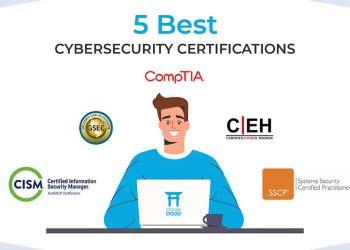
Whether you’re a beginner or already knee-deep in tech, the right certification can be your golden ticket to better jobs, better pay, and real authority.
Wondering what you can do with a cybersecurity certification in Kenya? Explore real career paths — from ethical hacker to SOC analyst — and how to get started with Cyberpro.
The skills gap is real. More orgs are outsourcing threat hunting and response capabilities to 24/7 MDR providers to close that gap fast. Gartner expects ~50% of enterprises to rely on MDR by the end of 2025.
Governments are tightening rules: the EU’s DORA and Cyber Resilience Act are pushing for tougher standards and incident reporting. In the UK, public sector services like hospitals and schools are under fire—and considering banning ransomware payouts
Nation-state cyberattacks are rising. Threat actors backed by China, Russia, Iran, North Korea are targeting telecoms, healthcare, government data, and even VS phishing/content manipulation.
Security Operations Centers (SOCs) are leaning heavily on AI automation for vulnerability scanning and incident detection—humans are now tied to “exception-based” tasks only. It’s a dependency, not an optional perk.
Employees using unauthorized AI tools (like ChatGPT knockoffs or unvetted SaaS) without security oversight are creating massive blind spots. It’s called Shadow AI, and it’s exploding. This stuff leaks sensitive data, introduces vulnerabilities, and totally bypasses IT controls.
Hackers are targeting unsecured APIs to siphon data or take over sessions. Tools like Postman, Burp Suite, and API gateways with rate limiting and authentication are now must-haves.
Deepfake phishing isn’t coming — it’s already here. The line between what’s real and what’s fabricated is blurring fast. Cybercriminals are exploiting human trust, not just firewalls.
Employees using unauthorized AI tools (like ChatGPT knockoffs or unvetted SaaS) without security oversight are creating massive blind spots. It’s called Shadow AI, and it’s exploding. This stuff leaks sensitive data, introduces vulnerabilities, and totally bypasses IT controls.
IoT is not going away — if anything, it’s multiplying. By 2030, we’re looking at nearly 30 billion devices online. That’s 30 billion new opportunities for attackers.